
Common parameters in pogo pin connector design
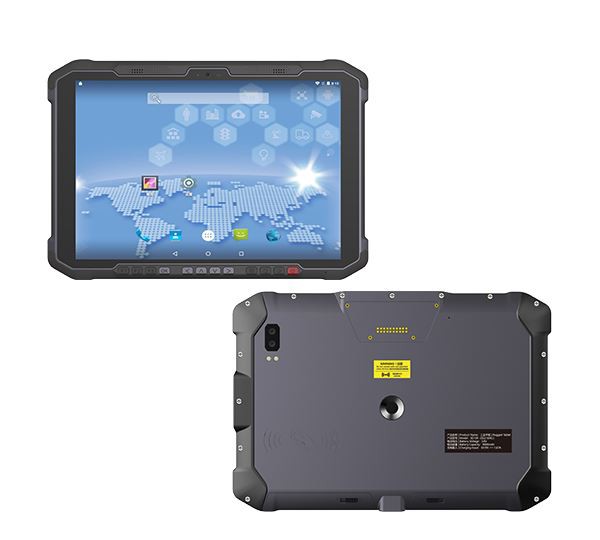
The design of the Pogo pin connector determines the actual performance of the Pogo pin connector to a certain extent. By analyzing the common parameters in pogo pin connector design, we can analyze the rationality and practicality of pogo pin connector design.

Low-level circuit contact resistance:
When supplying voltage and current does not change the size of the physical contact surface and the oxide and film of the contact surface, evaluate the contact resistance of the contact system,
The maximum test current is 100mA, and the maximum open-circuit voltage is 20mV.
Insulation resistance:
When the DC potential is supplied to adjacent contact points or between the metals closest to the contact points, the resistance of the insulating material is detected.
Dielectric withstanding voltage:
The voltage that the connector can withstand when the system voltage increases suddenly or due to switching, produces an instantaneous excess potential when the connector can remain safe and undamaged.
Normal force:
The pressure of the contact point is perpendicular to the contact surface under normal use of the contact system.
Durability:
Because the contact surface will wear out during plugging and unplugging, the wear will reduce the mechanical and electrical performance of the connector. Under the set environment, the connector plugging and unplugging is a cycle. The minimum number of plugging cycles that the connector can withstand To evaluate the durability of the connector.
Vibration (Vibration):
Assess the influence of the small changes on the contact surface caused by the mechanical force on the electrical characteristics of the contact system.
Mechanical shock:
Detect the mechanical and electrical integrity of the connector. When the connector device acts on the electronic device, it may be subjected to vibration during handling, transportation, etc.
Thermal shock:
Detect the resistance when the connector is exposed to extremely high and low temperatures, or the worst-case shock during storage, transportation, and use.
Temperature Life:
When exposed to a high-temperature environment where the mechanical properties fail due to temperature changes, evaluate the impact of this environment on electrical stability. High temperature will cause contact oxidation and reduce the positive force of the terminal, which will reduce the electrical performance.
Thermal cycling with humidity:
When exposed to an environment that will produce high temperature/humidity that makes the mechanical properties of the contact system ineffective, evaluate the impact of this environment on the electrical stability of the contact system. These effects include moisture accelerating the oxidation of the contact surface, the oxidation of tiny particles between the contact surfaces, and the bottom layer. Oxidation of metals.