

Precision Springs For Consumer Electronics
Precision Springs for Consumer Electronics: Types, Processes, and Applications
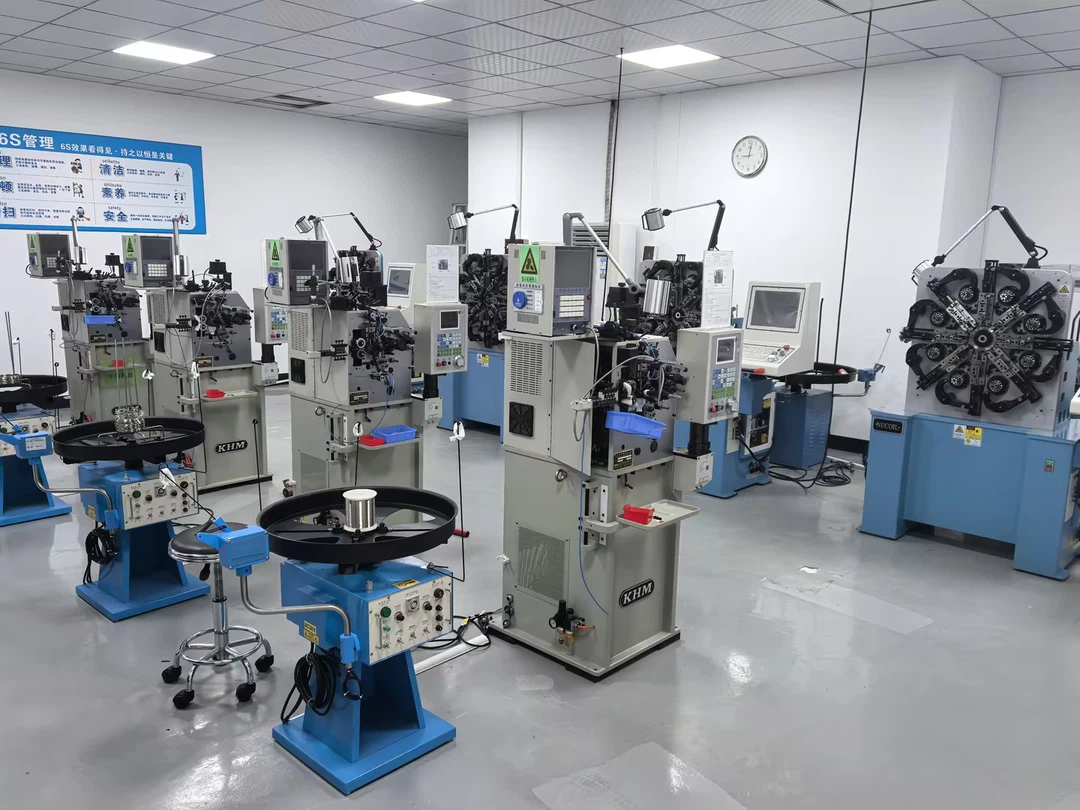
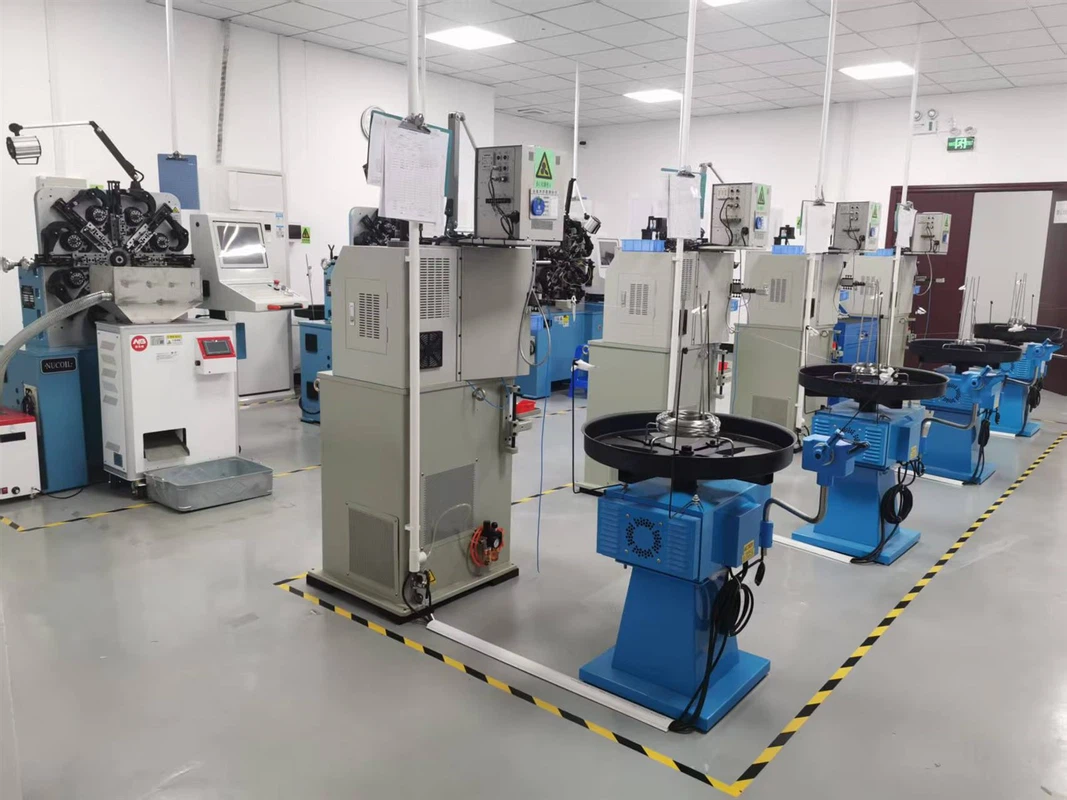
In consumer electronic products such as smartphones, wireless earbuds, laptops, and smartwatches, springs are invisible yet indispensable components. Despite their small size, they perform critical functions including electrical conduction, contact force, return action, latching, and shock absorption. As a factory equipped with precision spring manufacturing machinery (CNC compression spring coilers, torsion spring machines, and automatic forming equipment), we specialize in providing high‑accuracy, long‑life springs for the consumer electronics industry.
I. Common Spring Types Used in Consumer Electronics
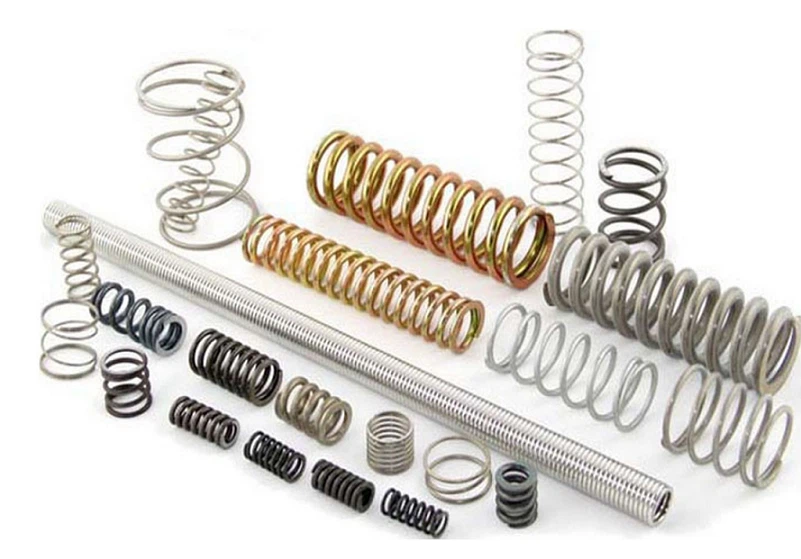
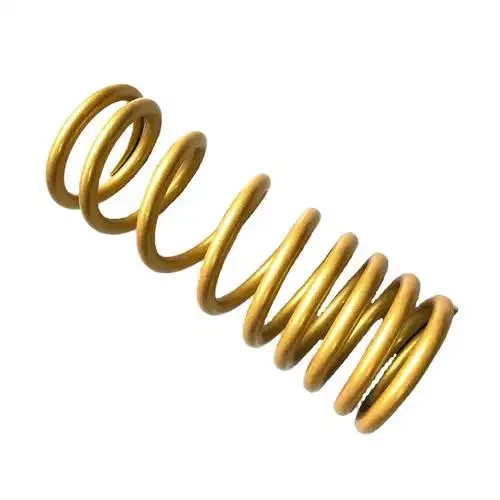
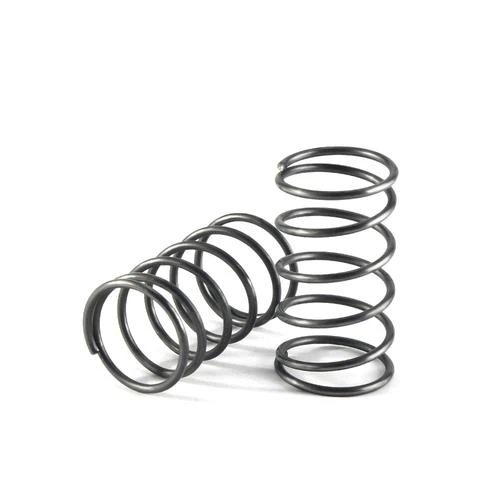
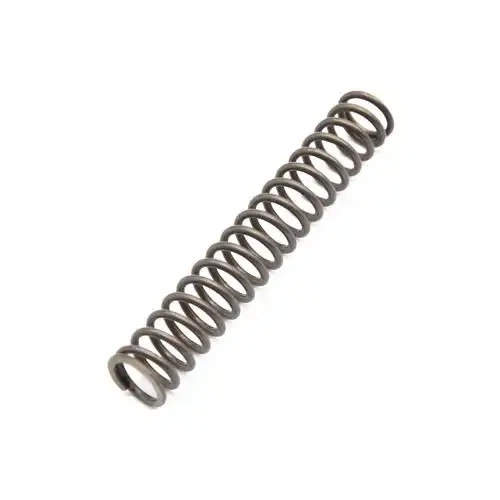
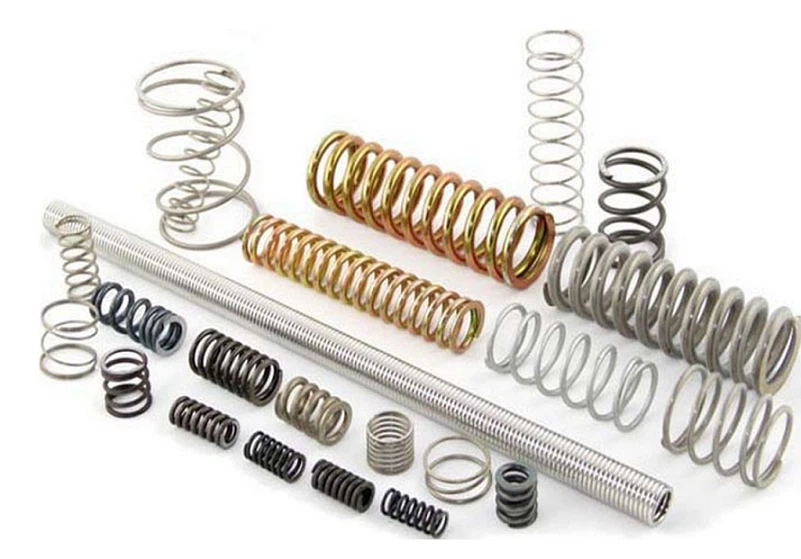
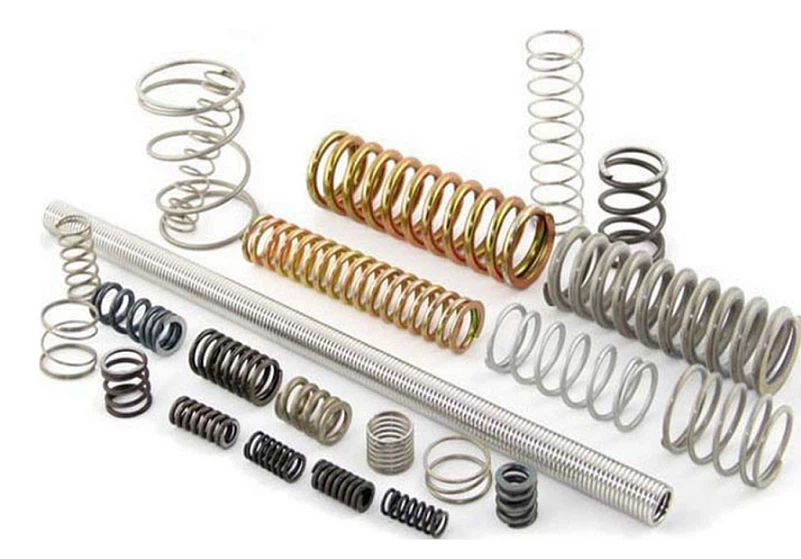
Compression Springs
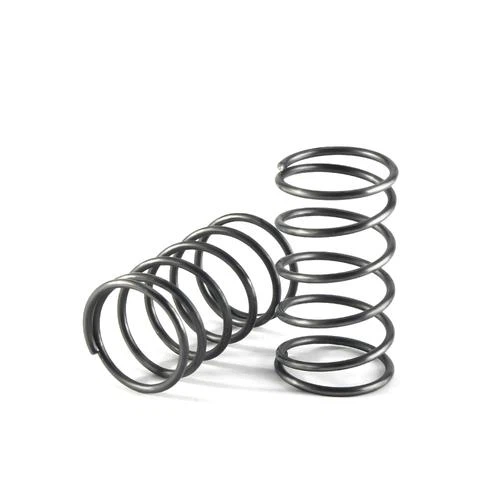
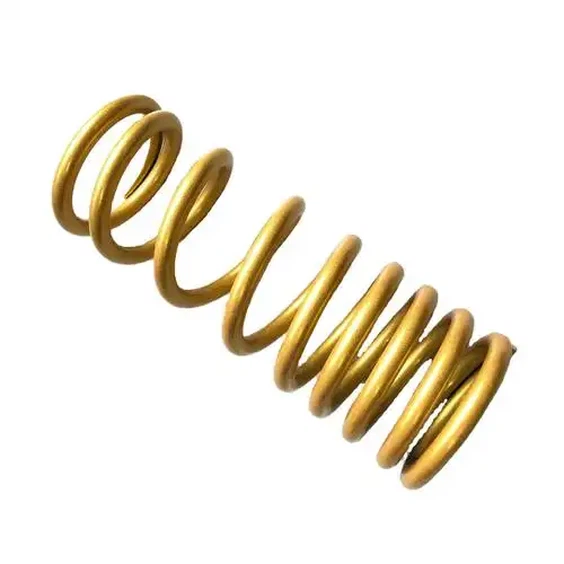
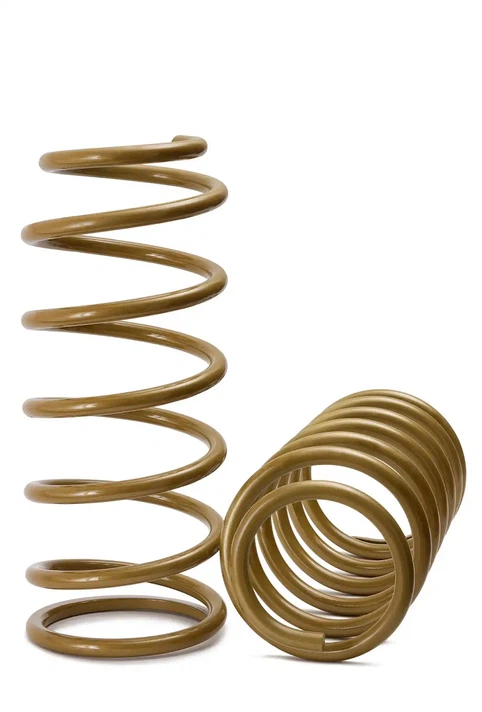
Designed to resist compressive forces and provide return or contact force. Examples include SIM card tray eject springs, keypad return springs, and camera module autofocus springs in smartphones.
Torsion Springs
Subjected to torque for rotational return applications. Commonly found in flip phone hinges, wireless earbud charging case covers, and laptop screen hinges.
Extension (Tension) Springs
Provide an opposing force under tension. Used in certain latching or sliding mechanisms, such as battery cover retaining structures.
Special‑Shaped Springs / Contact Springs
Including wave springs, conical springs, flat spiral springs, and various stamped spring contacts. Widely used for battery contacts, antenna connections, shield retainers, and vibration motor supports.
II. Manufacturing Processes: From Wire to Precision Elastic Component
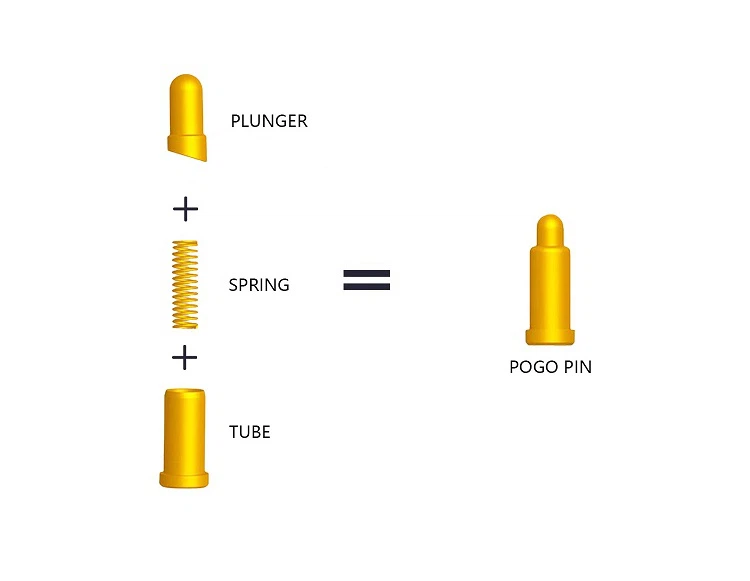
Springs for consumer electronics typically have very small wire diameters (0.05 mm – 1.5 mm) and demand extremely tight tolerances and fatigue life. The typical process is as follows:
Precision Coiling / Forming
High‑speed CNC spring coilers control feed length, outer diameter, and pitch using servo motors, cold‑coiling the spring directly. End grinding (for compression springs) or hook making (for extension springs) can be performed in‑line.
Stress Relief Annealing
After coiling, residual stresses are high. Low‑temperature stress-relief annealing (approx. 250°C–400°C) in a protective atmosphere stabilizes dimensions and improves the elastic limit.
End Grinding (Compression Springs Only)
To ensure perpendicularity and uniform load distribution, both ends of compression springs are ground flat with controlled surface finish and parallelism.
Precision Setting (Scragging)
Pre‑loading or pre‑deflection eliminates initial length or angle drift, ensuring stable performance over the spring's lifetime.
Optional Shot Peening
For high‑fatigue applications (e.g., vibration motor springs), small‑diameter shot peening improves fatigue resistance.
III. Typical Application Scenarios
| Product Category | Spring Applications |
|---|---|
| Smartphones | SIM card tray eject spring, push‑button switch spring, camera autofocus spring, vibration motor contact spring |
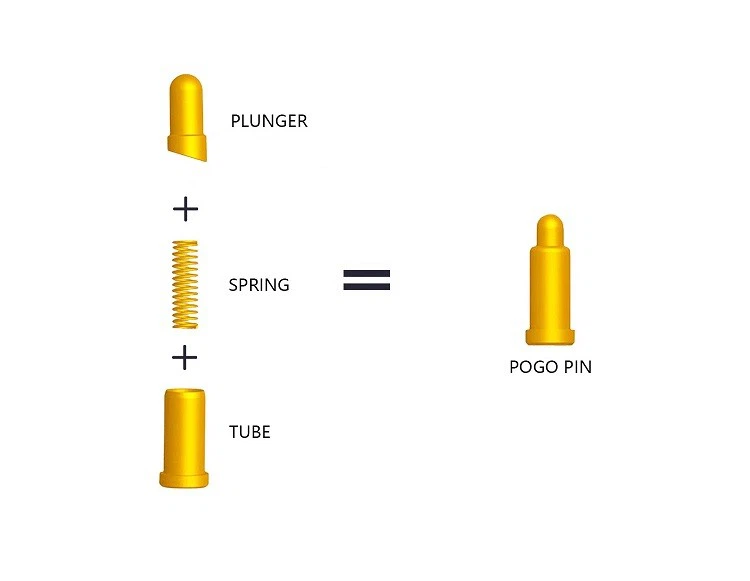
| TWS Earbuds | Charging pin compression spring, charging case lid torsion spring, button spring inside earbud stem |
| Laptops | Screen hinge torsion springs, key‑switch compression springs under keyboard, touchpad return springs |
| Smartwatches / Bands | Heart rate sensor contact springs, watch band quick‑release springs, haptic feedback springs |
| Gaming Controllers | Joystick return spring, trigger torsion spring, shoulder button compression spring |
IV. Electroplating and Surface Treatment Processes
Consumer electronic springs require not only mechanical performance but also good conductivity, corrosion resistance, and solderability. Common surface treatments include:
1. Zinc Plating
Features: Low cost, good rust prevention, available in various passivation colors (blue‑white, yellow, black).
Application: Internal structural parts, springs not in direct skin contact.
2. Nickel Plating
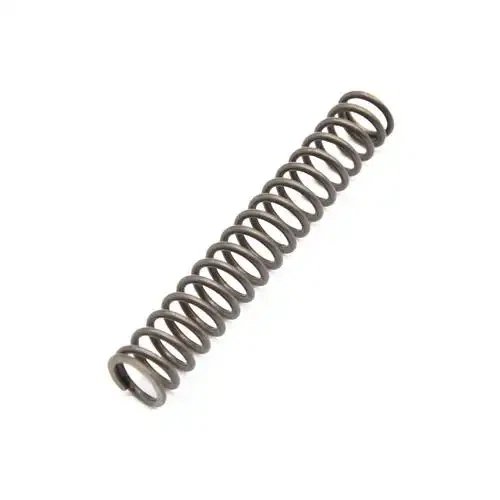
Features: Uniform coating, high hardness, wear‑resistant, and good conductivity.
Application: Battery contact springs, antenna contact springs, shielding spring contacts.
3. Gold Plating / Silver Plating
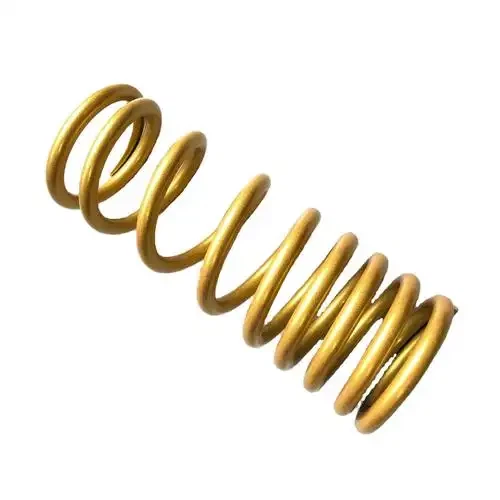
Features: Excellent conductivity and corrosion resistance, extremely low contact resistance.
Application: High‑end connectors, precision sensors, medical‑grade consumer electronic contact springs.
4. Passivation & Sealing
A chemical conversion film is formed on the plated surface to improve salt spray resistance and sweat corrosion resistance (especially important for wearable devices).
5. Hydrogen Embrittlement Relief
High‑strength springs must undergo dehydrogenation baking immediately after plating (typically 190°C – 220°C for 4–24 hours) to prevent delayed fracture caused by hydrogen embrittlement.
V. Why Customization is Essential for Consumer Electronic Springs?
Consumer electronic products are trending toward miniaturization, thinness, and high integration. Springs must deliver precise force curves within extremely limited spaces (load tolerance usually ±5% to ±10%). Furthermore, mass production demands exceptional consistency (CPK ≥ 1.33). Our factory relies on advanced CNC spring formers and a full range of testing equipment (tension‑compression testers, torque gauges, optical measurement systems) to provide one‑stop service from prototyping to high‑volume production.
Conclusion
Small though they are, springs enable every smooth click, stable connection, and reliable return action in consumer electronics. If you are looking for precision springs for mobile phones, earbuds, laptops, or wearable devices, please contact us. We will provide the optimal spring solution based on your space and force requirements.

Hot Tags: precision springs for consumer electronics, China, suppliers, manufacturers, factory, customized, wholesale, buy, bulk, in stock, free sample
Send Inquiry
