
We have a wide range of connectivity solutions that combine outstanding design with high performance, quality and safety. Additionally, our portfolio of drones is vibration-resistant, waterproof, and capable of extreme operating temperatures without compromising performance.
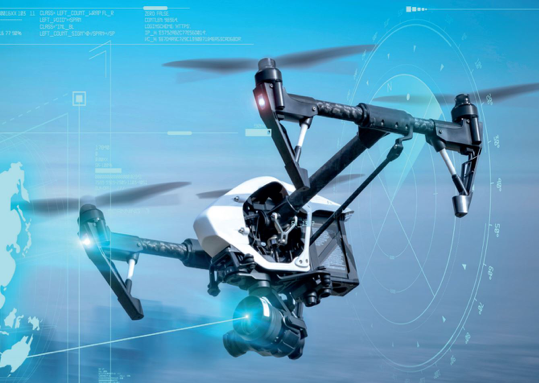
autonomous flight
Any interruption of signal communication must be avoided during UAV remote control operations. Drones rely on GPS or LiDAR (Light Detection and Ranging) systems to maintain heading and position, while also providing many of the necessary flight modes to control navigation and safety functions, among other things. In addition, they are also crucial for the positioning accuracy when detecting and inspecting objects. With so many risks at stake, it is equally crucial to correctly select a high-performance connection system.
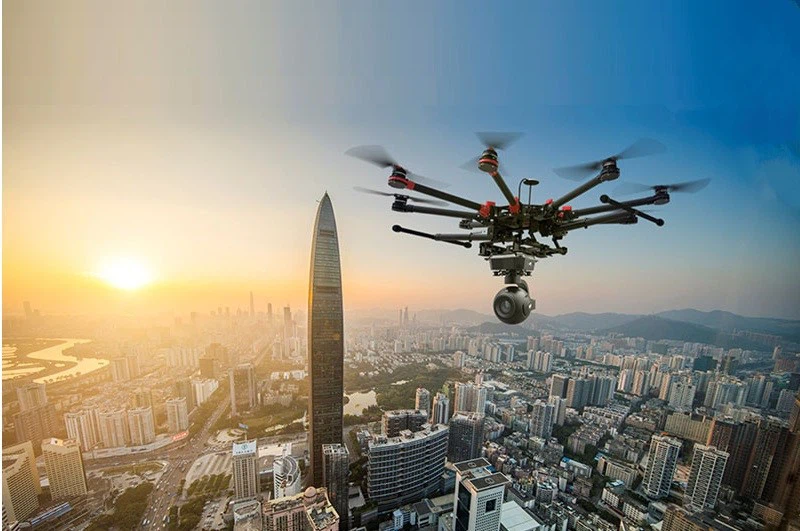
Sensor system on board of drone
The "heart" of any drone is the motherboard, which will manage all flight control tasks. Important signals, such as those monitoring altitude and orientation, are continuously captured, calculated and realized by sensors. For flight safety and stability, this requires highly reliable connections that can support high speeds and withstand harsh environments.

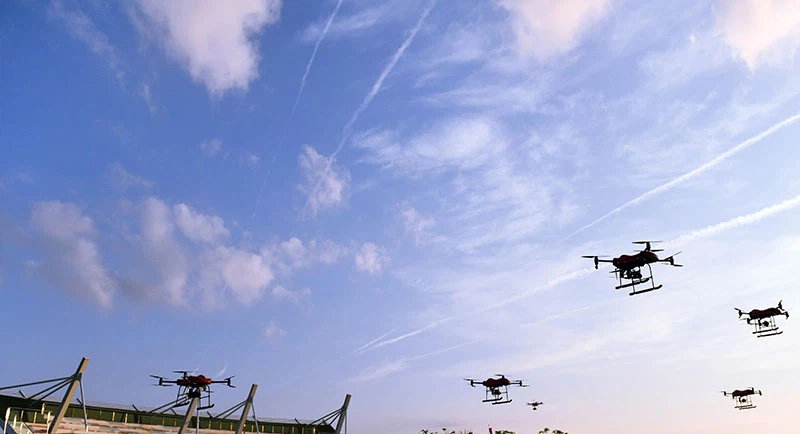
Communication between sender and receiver
Since the drone cannot steer from its programmed destination (return to launch), the flight signal from the remote control to the drone must be transmitted without interruption or error. Likewise, the built-in return command must not fail even in the face of weather turbulence or external signal interference. Therefore, smooth communication through flexible, fast and ultra-reliable connectivity is necessary.
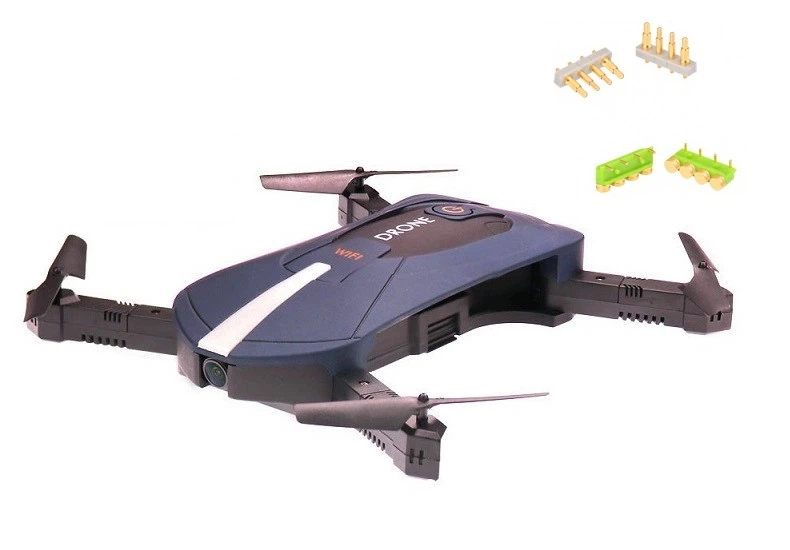
Pogo pin charging port
A fast, simple and safe solution to recharging the battery is a necessary prerequisite for increasing the drone's battery life. Our quick connection solutions are designed for this purpose.
UAV extension connection
Drones have the potential to be deployed in various special applications such as: power, pipeline inspection, and search and rescue operations. This requires reliable connection of ancillary equipment including cameras for real-time transmission/recording under harsh working conditions.