
The origin of the pogo pin
Pogo literally means Seesaw, and a Pin is often a small object like a pointer. Connected together are small elastic needles with springs, called pogo pins for short.
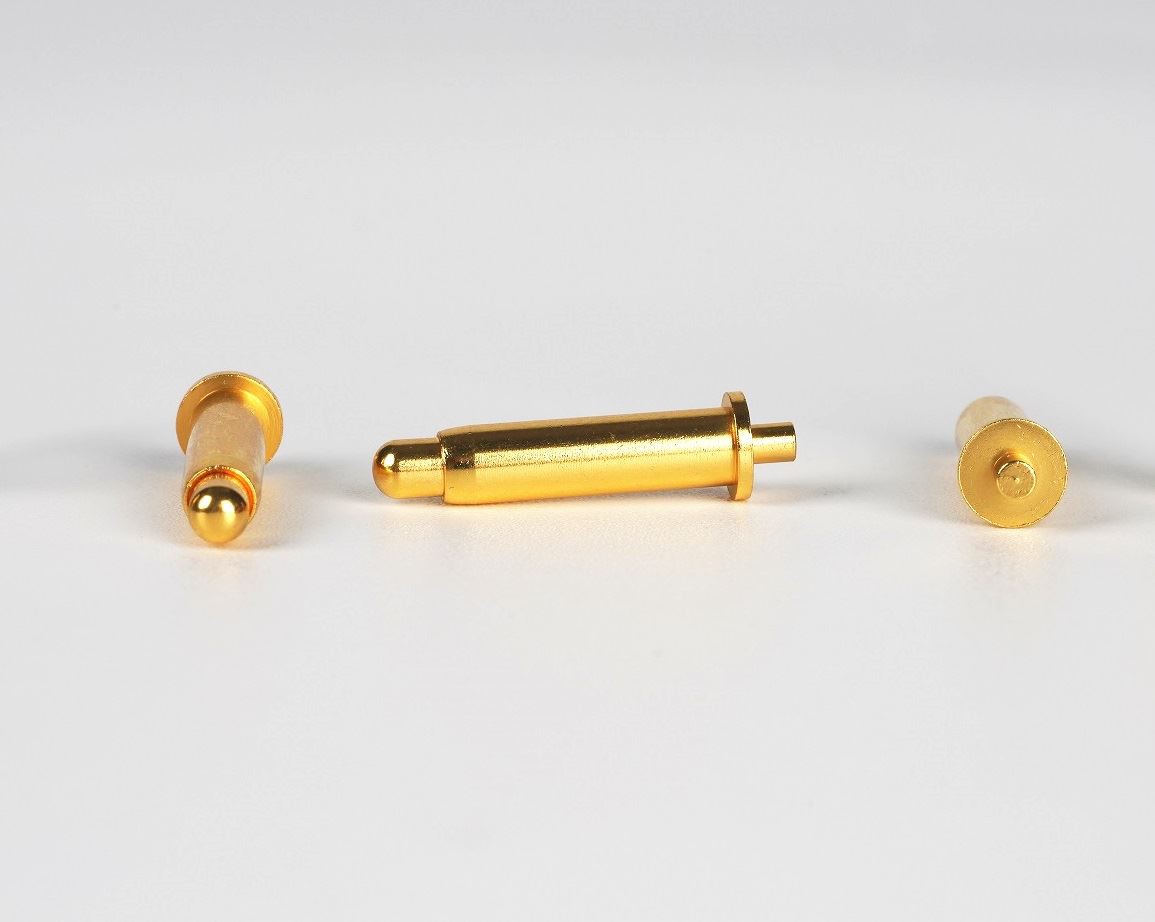
HP designed the first pogo pin more than 20 years ago and registered a trademark. It is used as a signal connection between the board and the board in a printer designed by HP, which reduces the complexity of the cable connection and makes the connection simple. It also makes the internal circuit more concise.
Pogo Pin seems to be a simple part, but if there is no good quality control and perfect manufacturing process, it is prone to power failure and pin stuck, or short life. The process is particularly delicate and complicated, and every link from lathe processing, electroplating to assembly may bring serious hidden dangers.

For example, in lathe processing, it is best to use automatic lathe processing, so as to ensure that the precision of the parts is between +/-0.01mm, and most factories use cutting machines for processing, and the accuracy is not guaranteed. There is also the surface finish processed by the lathe, especially the inner surface finish of the needle tube is very critical. Most factories do not have surface roughness testing equipment.
In the electroplating process, the thickness of the coating will affect the cost structure. In addition, the quality of the gold plating in the hole also has a great influence on the electrical impedance and mechanical properties of the pin. Choose strict supplier cooperation and select the standard process and IQC control process to ensure that the gold plating layer in the hole is good, without blackening, discoloration, and Poor plating.

Assembly craftsmanship is equally important. The poor assembly process will cause problems such as skew of the needle, excessive needle height difference, the pin stuck, peeling of the nozzle, and other problems.