
Pogo Pin Connector usage requirements
First, according to the requirements of use.
Other environmental features of electrical connectors include sealing, liquid immersion, low air pressure, and more. In some specifications, the higher temperature rise allowed for the connector at the rated operating current is specified. The premise of the constant damp heat test is that the relative humidity is 90%~95% and the temperature is 4020°C. The test time is product-dependent and is at least 96 hours. Because when the connector is working, the current generates heat at the contact point, resulting in an increase in temperature. It is generally believed that the operating temperature should be the sum of the ambient temperature and the temperature increase at the contact point. The shock test shall define the peak acceleration, duration, pulse shape, and time of interruption of electrical continuity of the shock.
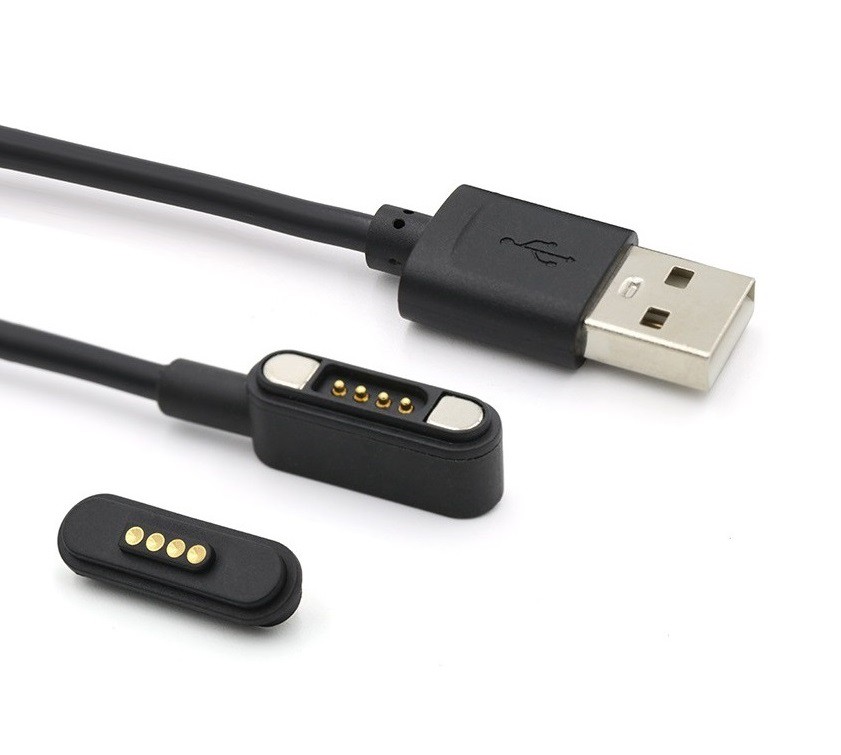
Second, vibration and shock.
Vibration resistance and shock resistance are important functions of electrical connectors, especially in special application environments such as aerospace, railway, and road transportation, and are important indicators to test the robustness of electrical connectors' mechanical structure and electrical contact reliability. To evaluate the ability of electrical connectors to withstand this environment, a salt spray test is specified. It hangs the pogo pin in a temperature-controlled test box, sprays it with compressed air and sodium chloride solution with a specified concentration to form a salt fog atmosphere, and its exposure time is specified by the product specification, at least 48 hours.
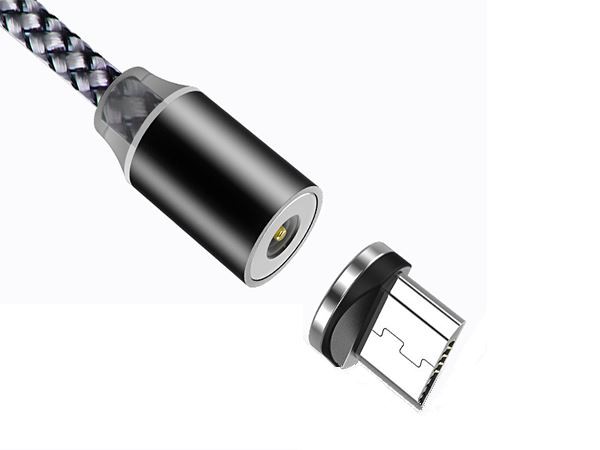
Third, temperature resistance.
At present, the higher working temperature of the connector is 200, and the lower temperature is -65.
Fourth, salt spray resistance.
When a pogo pin operates in an environment containing moisture and salt, its metal structure and the surface finish of the contacts may undergo electrochemical erosion, which may affect the physical and electrical function of the connector.