
Gold plating process of Pogo Pin
The pogo pin material is mainly made of copper, and it is required to be treated on its surface to make it more resistant to corrosion and friction.
The typical surface treatment is gold plating after nickel plating and tin plating after copper plating. Following Wanchang briefly understand and analyze the surface treatment process of connectors such as electroplating process, equipment, products to be plated, and electroplated layer.
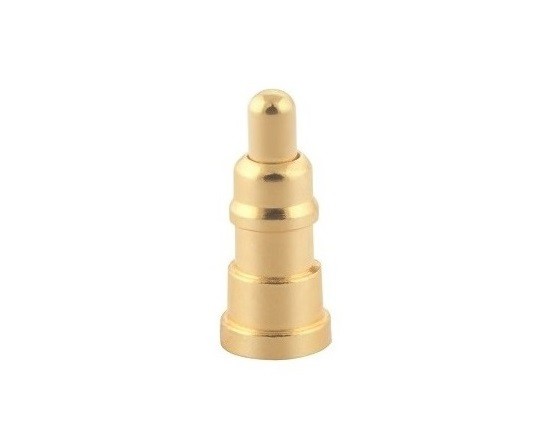
The pogo pin electroplating process is basically the same as the general electroplating process, except that the operating time of each process is significantly shorter than that of general electroplating. Therefore, each treatment solution and plating solution must be adjusted accordingly to meet the requirements of short operating time. Let's take a look at the gilding process of the pogo pin with the editor.

First, degreasing: Unlike the general electroplating process, the degreasing time of the pogo pin is about 2~5 seconds, so multi-stage electrolytic degreasing under high current density should be used.

Second, pickling: Because of the size requirements of the metal to be plated, chemical or electrochemical polishing is generally used for pogo pins, and metal self-dissolution is rarely or basically not used.

Third, nickel plating: Pogo pin generally uses sulfamate plating solution. The purpose of nickel plating is to provide a primer layer for gold plating and tin plating to improve corrosion resistance, and to prevent the performance of the plating layer due to mutual diffusion of the substrate (mostly copper alloy) and the gold layer or lead layer.
