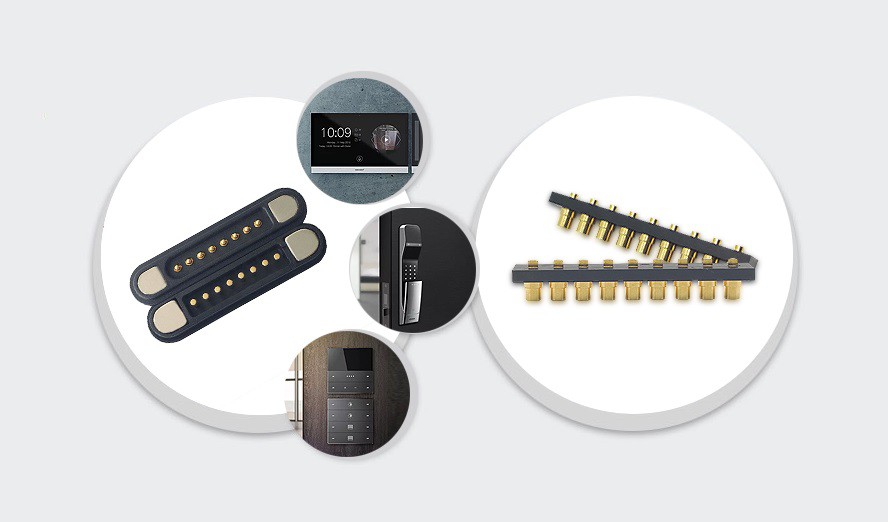
Applications of Pogo Pin Connectors
Pogo pin is a precision connector used in electronic products such as mobile phones, and is widely used in semiconductor equipment for connection.

A pogo pin is a spring-type probe formed by riveting and pre-pressing the three basic components of needle shaft, spring, and needle tube through precision instruments. There is a precise spring structure inside. The surface coating of a pogo pin is generally gold-plated, which can better improve its anti-corrosion function, mechanical properties, electrical properties, etc.
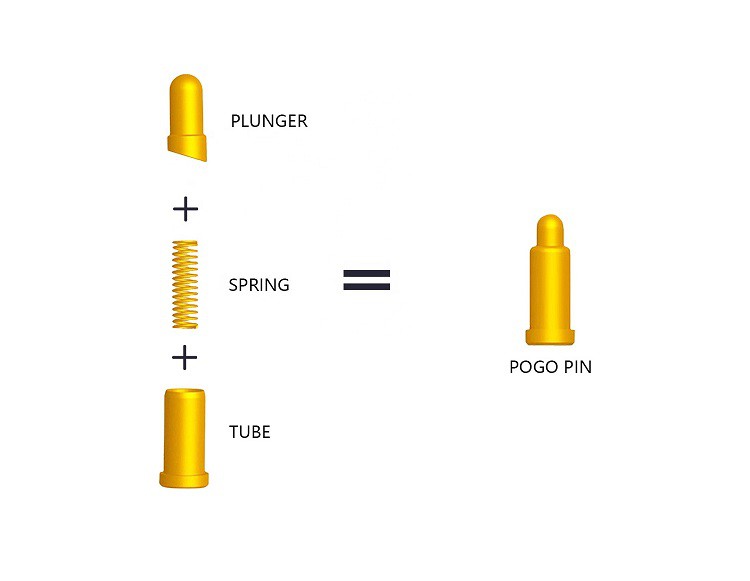
The needle tip has a sharp needle, a grasping needle, a round needle, a knife needle, and the like. Pogo pins are generally used in precision connections in electronic products such as mobile phones, portable electronic equipment, communications, automobiles, medical care, aerospace, and other electronic products, which can improve the corrosion resistance, stability, and durability of these connectors. Since the pogo pin is a very fine probe, it can be used in precision connectors to reduce the weight of the connector and the volume of its appearance, which can make the connector more fine and beautiful.

The amount of current carried by different structures is different, and different structures can also be applied to different functional designs, and the number of contact points will also affect the amount of current.
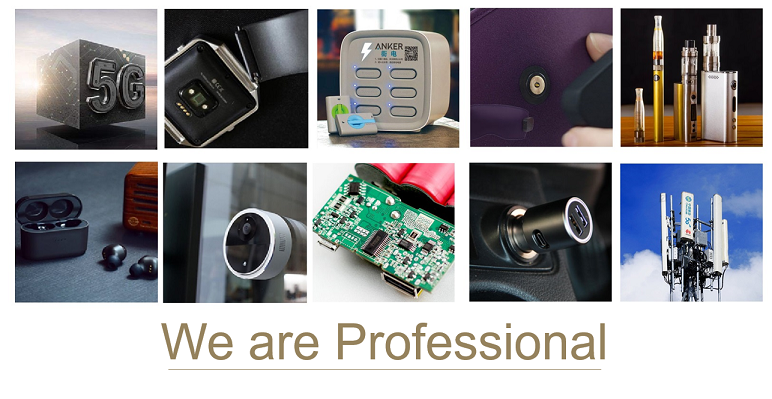
The application of POGO PIN connectors is very extensive, and they exist in products that can be seen everywhere in our daily life, such as:

1. Aviation, aerospace, military communications, and military electronics.

2. Automobile, vehicle navigation, test, and measurement equipment.

3. Data communication equipment, telecommunication equipment, automation and industrial equipment, wireless equipment.

4. Data cable, charging cable, magnetic cable end connector.

5. Consumer electronics (printers, mobile phones, computers, cameras, audio-visual equipment, PDA, Bluetooth headsets, etc.).

6. Smart wearable devices (smart watches, smart bracelets, smart glasses, Bluetooth headsets, wearable mobile phones, VR, etc.).

7. Smart devices (intelligent positioning devices, intelligent robots, drones, etc.)

8. Medical equipment (temperature measurement products, medical capsules, rehabilitation physiotherapy equipment, blood pressure monitors, heart rate monitors, etc.).